Weather
 Traffic
 @LouisvilleDispatch
 @LouisvilleDisp
 Subscribe
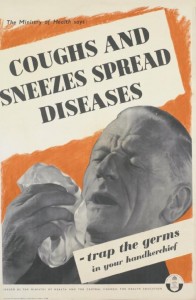 Colder weather means a lot of things: Super Bowl, Christmas-time, sledding, and influenza. Feeling under the weather is obviously unpleasant, but a better understanding of what could make you sick may help protect you.
This year’s flu season could be especially severe due to a mutation in one of the strains of virus that is in the vaccine. It is estimated that every flu season anywhere from 5% to 20% of the US population contracts an influenza virus. Each year approximately 200,000 people are hospitalized for influenza and influenza-related complications. High risk populations include seniors, children under the age of 2, and people with compromised immune systems.
Influenza is a respiratory illness caused by a virus. Symptoms can develop in a little as 24 hours after exposure, but can take up to 4 days to show up, according to the Centers of Disease Control. Symptoms include fever, cough, sore throat, runny and/or stuffy nose, body aches, fatigue, and in children, gastrointestinal upsets. If you start to feel sick, you are already contagious. People are contagious starting the day before symptoms develop and can be contagious for up to a week after becoming ill. The virus is spread from person-to-person via droplets from coughs and sneezes that are either directly inhaled by someone else or picked up indirectly from surfaces, such as door knobs. It is estimated that a contagious person can spread particles up to six feet away.
There are a variety of ways that you can protect yourself and others during the flu season. Wash your hands frequently, cover your nose and mouth when you sneeze or cough, stay at home if you feel sick, and get the vaccine. The seasonal flu vaccine is recommended for every person 6 months of age or older: children up to 8 years may need two doses to be fully protected. You should get the vaccine every year since there is a new vaccine every year and protection is not long-term.
The flu vaccine typically contains three strains of virus, although some doses contain four strains. The H3N2 strain of virus that part of this year’s vaccine was based on has mutated. It is believed that people who have received the vaccine may still be protected from severe illness if exposed to the mutated virus. People will still have an immunity to the other strains in the vaccine.
If you do contract the flu, you can expect to feel ill for up two weeks after symptoms develop. There are antivirals available through your doctor that can help shorten the duration. Generic names for these are oseltamivir and zanamivir. They are usually prescribed for five days and should lessen the symptoms and shorten your sick time by 1-2 days. Most people will clear the virus on their own over time, but if you develop complications such as: a cough that disrupts your sleep, a fever that won’t come down, shortness in breath, a sinus infection with pain in the face, or symptoms that get worse after a short period of feeling better, you should seek medical attention. Antibiotics, such as penicillin and its derivatives, will not be prescribed for influenza alone. Antibiotics are used to treat bacterial infections, not viral infections such as the flu.
There are some conditions that would prevent you from receiving the vaccine as a shot, but the intra-nasal spray vaccine may be acceptable. If you have more questions about the seasonal influenza vaccine and if it is right for you, speak to your doctor or pharmacist.
 Since dogs and cats already have beautiful fur coats, it is easy to forget that they can suffer hypothermia, frost-bite, and other weather related injuries that people do. With the temperature dropping and lots of cold rain and/or snow already, it important to help your pet stay comfortable and safe throughout the winter season.
Here are some general tips to help you prepare for the coming cold weather:
These are just a few guidelines to help you ensure your pet’s safety during the winter months. More information can be found at the ASPCA, Pet WebMD, and PetSmart websites.
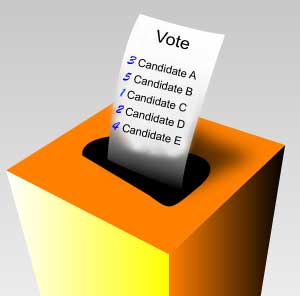 This year’s General Election in Kentucky not only has a very important US Senate Seat race happening, there are also many elections that directly effect Louisville. There are multiple US House of Representative seats being contested, as well as many Kentucky State Congress seats and a lot of judicial seats. More information on the US Senate race and voter registration is available on Louisville Dispatch website.
For people living in Louisville, the following is a list of the legislative elections and some of the judicial elections that will be happening within the county (there are so many judicial positions this year that the list below will only show the positions that have an actual contest). You will need to check your voter registration card to determine the district in which you are located. You will be able to view a sample ballot for your location on the Jefferson County election center website. Each district may have additional items on their ballot, such as School Board, Sheriff and Coroner.
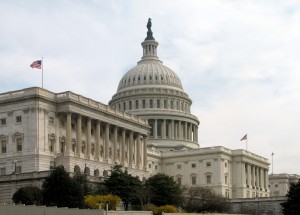 2014 is going to be an important election no matter which way you lean politically. One of the most discussed races for Kentuckians this year is the senate seat that is currently held by veteran Mitch McConnell (R). McConnell is seeking his fifth term in office for the seat he has held in Kentucky since 1984. McConnell was a strong winner in the primary with around 60% of the votes.
His biggest contender is the democrat candidate, Alison Lundergan Grimes. Grimes is currently the Kentucky Secretary of State, which she has held since 2012. She was the strong favorite in the May primary election, and if elected, this would be her first term in a federal position. The next contender for McConnell’s seat is libertarian candidate, David Patterson. Patterson is currently a peace officer in the city of Harrodsburg. If elected, this would be his first term in any office.
There are also three write-in candidates vying for your votes this year. Shawna Sterling (R) ran in the May primary election on the republican ticket, where she came in third with over 7,000 votes. Robert Randsell is also running and he currently lives in Florence, KY. He has recently received a lot of national press over his campaign slogan “With Jews, We Lose”. Mike Maggard is third write-in candidate running for office against McConnell (R) this year and he currently lives in Richmond, KY. There appears to be very little information about Mr. Maggard available, but his campaign slogan is “Balanced Budget, Low Taxes, and Liberty”.
With a diverse group of candidates running this year, it should be interesting to see how the candidates campaign. Unless you avoid television, you have probably already seen the steady stream of McConnell and Grimes commercials. There is a debate scheduled for October 13th, but it is likely that we only see McConnell and Grimes participate. Patterson is currently suing the Kentucky Educational TV station to participate in the debate. With a restriction on pre-election poll support (a minimum of 5% support is needed), it is unclear at this time if any of the write-in candidates will meet that criterion.
The General Election will be held on Tuesday, November 4th. Voting locations will be open from 6 AM until 6 PM. To determine if you are registered to vote and where you should vote, visit the Voter Information Center. To learn more about your rights as voter, visit the informational page on the Secretary of State’s website.
It’s that time of year again: election time. This year, the general election in Kentucky will be held November 4th. There is a US Senate position, multiple US House of Representative positions, and various state positions being contested this year.
It might sound cliché, but it is a citizen’s right and duty to vote in elections. If you want to vote in the general election next month, the deadline to register is this upcoming Monday, October 6th. If you are not registered to vote, there are a few eligibility requirements that need to be met. To be eligible to vote, you need to:
If these requirements are met, there are a few different places that voters can complete registration, such as the County Clerk’s office, the DMV, and through a mail card.
What else should you know about voting in Kentucky?
As a reminder, it against the law for a voter to impersonate another person to vote, to vote under a false name, and to vote more than once in an election. It is also unlawful for any person or group to influence a voter’s decision through force, threat, menace, intimidation, bribery, or reward. If a voter feels that their right to vote has been violated, they should contact the County or State Board of Elections, the Attorney General’s Election Fraud Hotline, or notify any of the elections officers are their polling location.
 Summer is a time for warm weather, lots of flowers, sun tans, and being outside. People take may precautions to protect themselves in the summer: wearing sunblock, staying hydrated, and trying to stay cool. Many people, however, forget that household pets also need to be protected from the summer heat. Here’s a short guide to help you keep your pet healthy and comfortable this summer.
 With gas prices hovering around $4.00 per gallon, many people are opting for cheaper transportation methods, including walking. Getting around downtown Louisville on foot is relatively easy: there are automatic pedestrian signals, marked cross walks at every corner, and sidewalks. However, once you get outside of the downtown area, the number of sidewalks decrease, the distance between intersections increases, and marked cross walks all but disappear. For example, pedestrians along Dixie Highway are known for crossing the street in such a way that it resembles a game of Frogger.
The Centers of Disease Control reports that in 2010 traffic accidents were the cause of over 4,000 pedestrian fatalities and approximately 70,000 pedestrian injuries in the United States. 61 of those fatalities occurred in Kentucky, with the majority occurring right here in Louisville. Most of these accidents occur in urban areas, at places where there is not an intersection, and at night. Alcohol is a factor in about 47% of the reported accidents and, of the 4,000+ pedestrian fatalities, 33% of the pedestrians were legally drunk.
What can drivers and pedestrians do to help prevent accidents? First and foremost, pedestrians need to make Continue reading