Saturday January 31, 2026
Local Connection
 Weather
 Traffic
 @LouisvilleDispatch
 @LouisvilleDisp
 Subscribe
 Beginning today, the Commonwealth of Kentucky takes its first official step toward tort reform, initiating a new program to review claims of malpractice against healthcare providers before any legal action can be filed in court.
The 2017 Kentucky General Assembly passed Senate Bill 4 establishing Medical Review Panels (MRPs) to help weed out unfounded or frivolous medical malpractice lawsuits. Governor Matt Bevin enthusiastically endorsed the bill and signed the legislation into law.
“Making sure patients can pursue legal action in the event of medical malpractice is an important part of securing justice for those harmed by the healthcare system. However, it is equally important that providers be protected from frivolous or unfair claims,” said CHFS Deputy Secretary Judge Timothy Feeley. “MRPs will ensure there is an adequate basis for civil action before a case is pursued in court.”
Any person alleging malpractice against a healthcare provider or institution must first bring a “proposed complaint” to the Medical Review Panels Branch within the Cabinet for Health and Family Services (CHFS), before filing the claim in a Kentucky court. The MRPs will serve as a pre-cursor to filing a medical malpractice action in court and will be staffed by an attorney and three Kentucky-licensed healthcare providers to provide a peer-reviewed assessment of each case. Healthcare providers included in the statute are broadly defined. They include, but are not limited to, physicians, dentists, pharmacists, social workers and nursing homes.
“Medical Review Panels are a small step toward stemming the flow of medical practitioners out of our state,” said the bill’s sponsor, Sen. Ralph Alvarado, in a press release. “The lack of healthcare providers in our Commonwealth can be largely attributed to the litigious-friendly climate in which we have found ourselves in recent years due to the absence of tort reform.”
No matter the outcome of the opinion, the plaintiff retains a right to pursue a medical malpractice claim in a court of competent jurisdiction after the final MRP opinion is rendered. If the plaintiff chooses to file a civil complaint following the MRP review, either party may move the trial court to admit the MRP opinion as evidence in the same manner a party would move to admit the testimony of an expert witness.
For more information on the MRP process, go to: mpr.ky.gov or contact the Medical Review Panel Branch at CHFS via email at mrp@ky.gov.
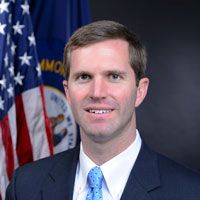 Attorney General Andy Beshear announced his office has entered into a settlement with Louisville-based Bryant Heating and Cooling Co. Inc., to resolve alleged violations of the Kentucky Consumer Protection Act.
In the assurance of voluntary compliance filed in Franklin Circuit Court today, Bryant agreed to provide more than 7,100 customers a one-year extended warranty on their HVAC unit. Bryant, headquartered at 4531 Bishop Ln. in Louisville, with offices in Lexington, Northern Kentucky and Evansville, Indiana, also agreed to strengthen future customer protections and pay a penalty.
Beshear said the agreement was reached following an investigation into the company’s business practices after complaints were made to the Office of the Attorney General and the Better Business Bureau of Kentucky.
“While these allegations are serious, I want to commend Bryant for taking responsibility and working with my office to come to a good resolution,” said Beshear. “My office will continue to work with Bryant to ensure the agreement is carried out in the best interest of Kentucky customers.”
Under the terms of the customer restitution agreement, Bryant will provide approximately 7,100 consumers who purchased furnaces, air conditioners, air handlers and heat pumps between Jan. 1, 2014, and June 22, 2017, a one-year warranty extension on ancillary parts and labor.
Beshear said Bryant customers receiving the extended warranty should expect a letter from his office and warranty information from Bryant in the next 30 days. Eligible customers will not need to do anything further to be included in this warranty extension.
Bryant also agreed to maintain the appropriate state licenses for all their HVAC installers and technicians, and provide customers with a detailed, written contract prior to work commencing.
In settling the allegations, the Office of the Attorney General also secured more than $500,000 for the General Fund of the Commonwealth of Kentucky.
Beshear said his office is committed to protecting Kentucky families and encourages Kentuckians who have a complaint regarding any business to file a consumer complaint with the Office of the Attorney General online.
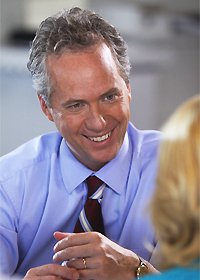 Citing a resurgence in the auto industry, Forbes magazine has named Louisville as the No. 1 city in the U.S. where manufacturing is thriving. Since 2011, manufacturing employment in the Louisville-area has grown 30.2 percent, bringing the employment total to 83,300 jobs, representing 12.41 percent of jobs in the local economy.
“Louisville continues to lead the way with our long-standing tradition of excellence in manufacturing. And that tradition provides the foundation necessary to be a global leader as we shift into a new era of flexible, advanced manufacturing,” said Mayor Greg Fischer. “This No. 1 ranking is an affirmation of the strength, quality and dedication of Louisville’s outstanding manufacturing workforce.”
Louisville’s diverse manufacturing economy includes such major manufacturers as Ford, GE Appliances, Clariant Corporation, Faurecia and Raytheon. Louisville also is home to FirstBuild, an innovative makerspace dedicated to designing, engineering, building and selling the next generation of home appliances.
To ensure that Louisville remains competitive in the manufacturing sector, the city is partnering with the Kentucky Manufacturing Career Center (KMCC) and the Kentucky Federation of Advanced Manufacturing Education (KY FAME) to create a pipeline of highly skilled employees who provide employers with the workforce they need.
KMCC and KY FAME offer workforce development programs to participants at no cost. KY FAME has a 98 percent job placement rate for graduates and has more than 125 member companies, while KMCC has awarded more than 3,000 certificates and credentials, and recently celebrated its 1,000 job placement.
To learn more about manufacturing workforce development programs, visit http://kcc.kentuckianaworks.org/JobSeekers/KMCC.aspx or http://kyfame.com/about/
Building on Louisville’s economic momentum, Ford Motor Company last week announced a $900 million investment in its Kentucky Truck Plant to build the all-new Expedition and Navigator.
“To be globally competitive in manufacturing, you have to have strong partners willing to collaborate with you and shape a common vision. We are proud to have Louisville as our partner, and congratulate them on being named No.1,” said Curt Magleby, Vice President, U.S. Government Relations, Ford Motor Company.
Ford’s new investment is in addition to the $1.3 billion investment and 2,000 jobs created at the plant in late 2015. According to Census figures, the auto industry alone accounts for 27,000 jobs in the Louisville area.
Louisville continues to be a place where locally grown manufacturers can establish themselves as global competitors. Louisville Plate Glass, founded in 1911, exemplifies the potential for long-term success in Louisville. The company recently opened a new $4 million production facility, more than doubling the company’s employment with 65 new jobs.
“After more than 100 years of continued operations, we chose to reinvest in Louisville with a new state-of-the-art glass production facility that will further strengthen our position as a leader in our market,” said Bill Stone, President, Louisville Plate Glass. “We feel confident that Louisville, with its central location and high quality of life, is the best place to invest in our employees and in our new production lines.”
The Forbes ranking is based on employment in the manufacturing sector over time, short-, medium- and long-term trends dating to 2005, plus variables that measure persistence and momentum.
To read the full article, visit https://www.forbes.com/sites/joelkotkin/2017/06/12/where-manufacturing-is-thriving-in-the-u-s/#5ab452ab1ff7
 The Kentucky Transportation Cabinet (KYTC) today released a data-driven list of statewide transportation projects that will help guide development of the next Highway Plan.
Over the past several months, KYTC evaluated and scored more than 1,100 projects across the state using the new Strategic Highway Investment Formula for Tomorrow (SHIFT). The formula is an objective approach that uses data on safety, congestion, asset management, economic growth and cost-benefit ratios.
At the direction of Gov. Matt Bevin, state transportation leaders created SHIFT as a data-driven tool to help prioritize spending of limited transportation dollars, estimated at $2.6 billion over the next six year cycle (FY 2018-FY 2024) based on current funding sources. Kentucky’s current six-year Highway Plan has nearly $6 billion in unfunded transportation projects.
“With limited dollars to spend, we must make wise investments that improve safety for our citizens, increase mobility and drive the state’s economy,” said Transportation Sec. Greg Thomas. “SHIFT is a tool to help us propose a prioritized and balanced Highway Plan to present to the governor and lawmakers.”
The first step in narrowing funding priorities was to identify and rank projects with statewide significance – interstates and highways that move people and goods from one Kentucky region to another and to other states.
The statewide list identifies 70 projects, which are part of the National Highway System, as projects of statewide significance. These projects will be considered for funding through a statewide funding pool, which will be designated in the recommended Highway Plan later this year.
The next step in the SHIFT process will focus on ranking regional projects, transportation improvements within geographical sections of the Commonwealth.
Over the coming weeks, local transportation leaders (Area Development Districts, Metropolitan Planning Organizations and KYTC District Offices) across the state will meet to decide which projects to prioritize for consideration for Highway Plan funding. The groups will consider more than 1,000 projects that have been scored using SHIFT including those National Highway System projects that were determined not to have statewide significance.
KYTC has grouped the state’s 12 highway districts into four geographic regions – North, South, East and West – consisting of three districts each. Leaders in each region will be asked to prioritize spending on projects in their areas.
Greater Commitment to Repair Existing Roads, Bridges
Thomas also announced yesterday that the recommended Highway Plan will set aside an additional $205 million annually in the next highway plan to repair or replace aging bridges and roads across the Commonwealth.
Kentucky has more than 1,100 structurally deficient bridges and more than 3,700 miles of roads that need significant repairs. The backlog of pavement improvements alone totals approximately $1 billion and is growing at a rate of 500 miles of roadway each year.
“We must take better care of the roads and bridges that motorists depend on today,” Thomas said. “The backlog of deteriorating infrastructure is significant and we must invest more resources to preserve our existing system.”
Later this fall, the statewide and regional lists developed under SHIFT scoring will guide development of the Highway Plan, a six-year outline for transportation spending. The plan will also include funding for priorities outside of SHIFT, including projects already underway and federally designated programs such as the Transportation Alternative Program and the Congestion Mitigation Air Quality program funded through the Office of Local Programs.
For more information about SHIFT and to view the statewide projects list, visit http://transportation.ky.gov/SHIFT.
Photo: NCSLA
Kentucky was front-and-center at last week’s National Conference of State Liquor Administrators (NCSLA) meeting in Denver, when the Commonwealth was selected to host the group’s 2019 annual conference.
Kentucky beat Kansas to host the conference, which is expected to bring approximately 500 visitors to the state for four days. Department of Alcoholic Beverage Control (ABC) Commissioner Christine Trout represented Kentucky and highlighted the numerous attractions and amenities the state has to offer for conference attendees.
“Kentucky ABC looks forward to welcoming our fellow state regulators from across the country to Kentucky for four days of meetings, training, and sightseeing,” said Commissioner Trout. “The annual conference agenda always covers diverse and timely issues, and we look forward to placing Kentucky at the center of the discussion.”
Kentucky is already slated to host the NCSLA Northern-Southern Regional Conference later this year in Louisville. Approximately 250 regulators from neighboring states will attend the conference, which will focus on Kentucky’s alcoholic beverage producers and the state’s Red Tape Reduction Initiative.
Commissioner Trout will serve as the vice chair of the NCSLA Southern Region during the conference and will be responsible for assisting the chair with overseeing regional activities during the next year. She was elected to the position by NCSLA members during the Denver meeting and will become chair in 2018.
“I am honored to serve in this leadership position and look forward to sharing my knowledge of state government processes and regulatory compliance with leaders from neighboring states,” said Commissioner Trout. “Kentucky is on the forefront of many important alcoholic beverage issues, and I am excited to tell our story.”
NCSLA’s primary goal is to create and maintain effective systems of alcohol regulation for the public interest. The group promotes effective alcohol policies in local communities and educates members on regulatory compliance.
To learn more about NCSLA, visit http://ncsla.org/. For additional information about ABC, visit http://abc.ky.gov/Pages/index.aspx.
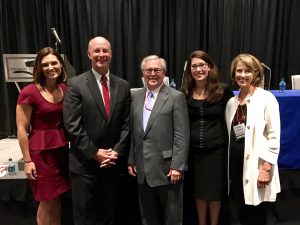 Secretary of State Alison Lundergan Grimes on Thursday led a robust discussion on the trust Americans place in courts and media at the Kentucky Bar Association convention. Grimes’ panel included Kentucky Supreme Court Chief Justice John D. Minton, Jr., retired federal Judge Jennifer B. Coffman, WHAS host Terry Meiners, and television commentator Krystal Ball.
“Polling increasingly shows a disturbing and declining level of trust among Americans for public institutions like the judiciary and media,” said Grimes. “Earlier this year, my office released our Civic Health Index, a study revealing Kentucky ranks 48th in the nation for trust in media and public institutions. Our discussion today was important to identify causes and solutions for stemming the tide of distrust.”
Grimes noted that the proliferation of information sources make it easier than ever for citizens to seek news and commentary that affirms their political beliefs rather than informs them.
“If you hear something you don’t like in the media, or disagree with something from the courts, people now say, ‘They’re on the other team and the enemy’,” said Ball. “Some politicians have seized on that sentiment and use it to divide people.”
“The media is in a place to poke and ask questions and to create a pendulum of ideas. It is incumbent on the media to open the gates to keep the information flowing to the people. It’s the only way we’ll flourish,” said Meiners.
Minton, who has been traveling Kentucky discussing ways to strengthen citizens’ regard for the American judiciary, said minorities are more likely than not to have a distrust of the court system.
“There’s a firmly-held belief in the African-American community that courts are not fair to them. It raises the point that [the judiciary has] a trust deficit with certain segments of the population that we need to address,” said Minton.
Polling shows Americans have more confidence in their state courts than federal courts. Coffman said that’s due to people being more connected to their local judicial officials.
“State court judges are people who are our neighbors, maybe you go to church with them. If you put a human face on something, you are much more likely to trust it,” said Coffman. “Federal courts are reviewed as a little remote.”
The Civic Health Index showed only 46.5 percent of Kentuckians say they are a great deal or somewhat confident in the media. Ball said the media is partly to blame.
“[The media] has in some ways not done ourselves any favors. 2016 was the most substance-free election in terms of the coverage,” Ball said. “When people hear the rhetoric from politicians and then they turn on the TV and see the shouting matches, they believe the media isn’t working for them.”
“It’s a successful strategy [to say the media is fake]. But it’s cyclical. It’ll wear itself out,” said Meiners.
The panel agreed that media is instrumental in making sure the public understands the court system and how it works.
“When I came to the court, you had a press corps with a lot of knowledge about government and the courts. Now, most [reporters] don’t speak the language of the judiciary, and we have to teach them,” said Minton.
Coffman said most media approaches its reporting with trust in the judiciary: “In responsible media sources, you have an underlying belief in the rule of law.”
Grimes and the panel reiterated the important duty media and judiciary have in a healthy democracy.
“We all have a role to play in building up trust in our public institutions,” said Grimes.
Read more about Kentucky’s Civic Health Index at sos.ky.gov.
 An agreement reached between Louisville Gas & Electric (LG&E) and Louisville Metro Government that significantly reduced a proposed utility rate increase was accepted with minor modifications Thursday by the Kentucky Public Service Commission (PSC).
Louisville Metro Government, along with a number of other intervenors in the case before the PSC, reached a settlement on April 19 that was more than $40 million below LG&E’s initial request for new revenue and included a drastic cut to LG&E’s proposed fixed monthly charges of $46 for residential customers who have both electric and gas service. The PSC upheld those provisions, and further reduced LG&E’s new revenues by approximately $4 million.
Jefferson County Attorney Mike O’Connell, in his authority as legal representative for Louisville Metro Government, has personally represented the city in the case, including settlement negotiations held in Frankfort in April.
“I take great pride that my office and I worked for more than six months to limit the impact this rate case would have on utility bills for Louisville Metro Government and for all residents in Jefferson County,” said County Attorney Mike O’Connell. “Without our efforts, customers would have experienced an additional $45 million in annual rate increases and seen a dramatic increase in LG&E’s fixed rate charges. In addition, we were able to help secure additional support for low-income customers.
“The Public Service Commission upheld nearly every provision of the agreement that Louisville Metro Government and the other interveners reached with LG&E. The PSC commissioners have stated this revised settlement represents rates that are fair, just and reasonable for customers. I hope that LG&E will honor the PSC’s decision.”
LG&E asked the PSC in November to grant an increase to its electric and gas rates that would boost the company’s annual revenues by $107.5 million. Louisville Metro Government intervened in the case on December 2 and presented facts and expert testimony that called for a substantial cut to LG&E’s request. The new rates are set to go into effect July 1.
Louisville Metro’s intervention paid especially high dividends in the debate over the fixed electric service charge. LG&E proposed to more than double the current service charge of $10.75 to $22 per meter. This increase raised concerns about impacts on low-income families, seniors and others living on fixed income, and from those in Louisville who had invested in energy conservation efforts, including solar technology. The high level of proposed increases in fixed charges was a significant factor in Louisville Metro’s decision to intervene.
The fixed monthly charge for electric service will now be $12.25, nearly $10 a month less than LG&E’s request.
Louisville Metro spends more than $17 million annually on utility bills. Following the settlement in April, Louisville Metro estimated $650,000 in cost avoidance for its utility bills compared to LG&E’s original rate increase request.
This case marked Louisville’s first significant intervention in a LG&E rate case heard before the PSC in more than 30 years. Of the Louisville Metro Council members present and voting on Dec. 15, they unanimously approved (20-0) a resolution in support of intervention. Councilmen Bill Hollander and Kevin Kramer both have offered written testimony in the case.
Other notable pieces of the settlement that the PSC upheld include an increase of $200,000 (up from $500,000) for low-income customer support through a contribution to the Association for Community Ministries; an electric bus infrastructure and rates study; and a LED lighting collaborative focused on reducing the costs that cities spend on street lights.
Full details on the revised agreement can be found on the PSC’s website at the following link: